
Call us now :08045477720
 Send Inquiry
 Send Inquiry
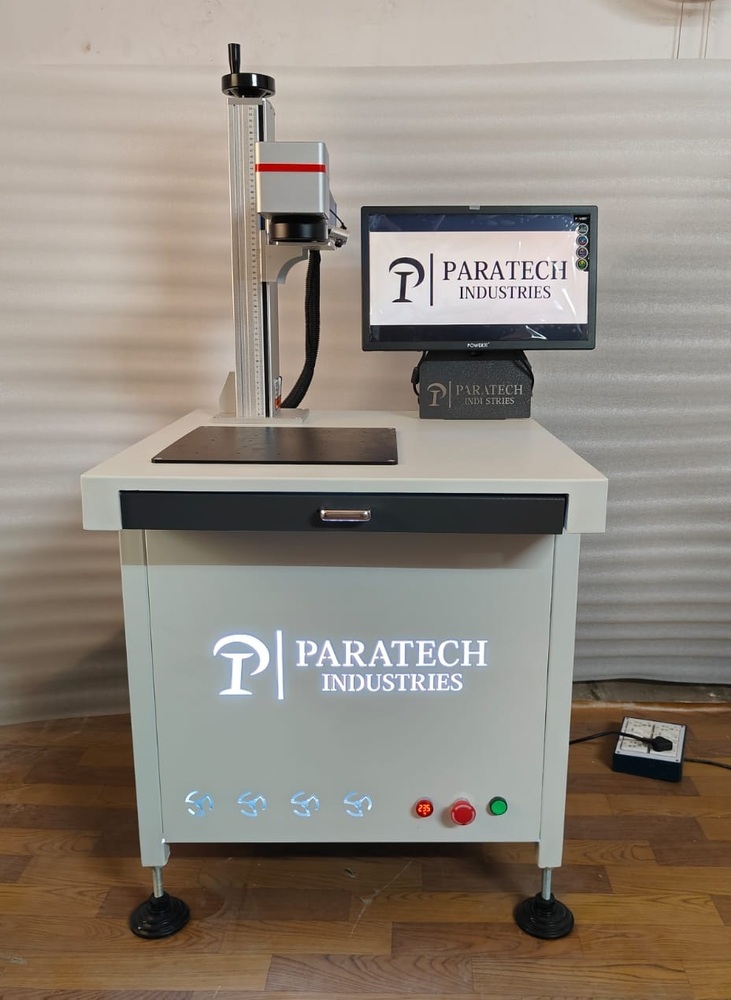
Laser Marking Marking 360 For Heavy Parts
MOQ : 1 Set
Laser Marking Marking 360 For Heavy Parts Specification
- Marking Speed
- 7000 mm/s
- Marking Area
- 300 x 300 mm (customizable)
- Condition
- New
- Laser Type
- Fiber Laser
- CNC
- Yes
- Cooling Mode
- Air Cooling
- Control Software
- EZCAD
- Accuracy
- 0.01 mm
- Power
- 30W / 50W / 100W (optional)
- Dimensions
- 1200 x 550 x 1500 mm
- Application
- Metal & non-metal heavy part marking
- Wavelength
- 1064 nm
- Power Supply
- AC 220V 10% / 50Hz / 1 Phase
- Control Interface
- PC / USB
- Focused Spot Diameter
- 0.03 mm
- Weight
- Approx. 120 kg
- Supported File Formats
- .plt, .dxf, .bmp, .jpg, .jpeg, .ai, etc.
- Minimum Line Width
- 0.01 mm
- Minimum Character Height
- 0.15 mm
- Repetition Frequency
- 2080 kHz
- Operating Temperature
- 10C35C
Laser Marking Marking 360 For Heavy Parts About
Laser Marking Machines employ laser technology to etch orengrave accurate lines that are permanent onto a range of materials. Due totheir adaptability, accuracy, and efficiency, these machines have been widelyused in a variety of sectors. High-powered lasers are used by laser markingmachines to imprint markings, patterns, or codes on materials. Due to itsadaptability to different applications, these machines may be used in a varietyof sectors, including automotive, aerospace, electronics, medical, jewelry, andmore. High-speed operation of these machines ensures effective output andlittle downtime.
| Marking Speed Capacity | 8000 mm/s |
| Usage/Application | MARKING ON VARIOUS MATERIAL |
| Laser Type | Fiber Laser |
| Marking Depth | AS PER CUSTOMER REQUIREMRNTS |
| Model Name/Number | PI-20 |
| One pass (depends on material) | DEPEND ON MATERIALS |
| Min Line Width | 0.01 MM |
| Minimum Line Width | 0.1 MM |
| Whole Machine Power | 1 KW |
| Maximum working Area | 300X300 MM AREA |
| Power | 20/30/50 |
Precision Marking for Demanding Applications
Engineered for heavy industry use, the Laser Marking Marking 360 provides accurate laser engravings on metal and non-metal parts. Thanks to its fiber laser technology and 0.01 mm accuracy, intricate designs and data coding become attainable, even on large or unwieldy components. The machine handles challenging marking projects in sectors such as automotive, aerospace, and engineering.
Flexible Integration and Control
This system is compatible with major file formats, including .plt, .dxf, .bmp, .jpg, and .ai, making it easy to incorporate into existing production lines. The PC/USB interface, paired with intuitive EZCAD software, streamlines workflow from design to execution, supporting customization based on specific operational needs. Its air-cooled mechanism further enhances durability and ease of maintenance.
FAQ's of Laser Marking Marking 360 For Heavy Parts:
Q: How does the Laser Marking Marking 360 achieve high-precision results on heavy parts?
A: The system uses a fiber laser with a minimum line width of 0.01 mm and an accuracy of 0.01 mm, allowing it to mark detailed characters and graphics on both metal and non-metal heavy parts with exceptional clarity and consistency.Q: What is the recommended usage process for marking large or heavy workpieces with this machine?
A: Place the part securely within the 300 x 300 mm work area (customizable if needed), connect your PC via USB, and load your design files in supported formats through EZCAD software. Adjust laser power and focus based on the material type and thickness, then initiate the marking process for swift, accurate results.Q: When should I opt for higher laser power options (50W or 100W)?
A: Choosing 50W or 100W is ideal for deep engraving, higher marking speeds, or when marking dense or thick materials. Lower power (30W) is sufficient for surface marking or lighter materials.Q: Where can the Laser Marking Marking 360 be installed, considering its weight and dimensions?
A: This machine is best installed in industrial or manufacturing facilities with adequate floor space (minimum 1200 x 550 mm footprint) and a stable power supply (AC 220V 10%). Its robust design supports usage on factory floors handling heavy components.Q: What file formats does the machine accept for custom designs?
A: It supports a wide range of formats, including .plt, .dxf, .bmp, .jpg, .jpeg, and .ai, ensuring seamless integration with popular design and drafting software.Q: How does the air cooling system benefit long-duration marking operations?
A: The integrated air cooling system efficiently manages heat, extending laser lifespan and maintaining stable performance even during continuous or high-volume marking tasks.Q: What are the primary benefits of using this laser marking machine for manufacturers and exporters?
A: It delivers high-speed, precise, and permanent markings, enhancing traceability and branding. The system's reliability, compatibility with various formats, and suitability for both metals and non-metals make it a valuable tool for quality assurance in production and supply chain management.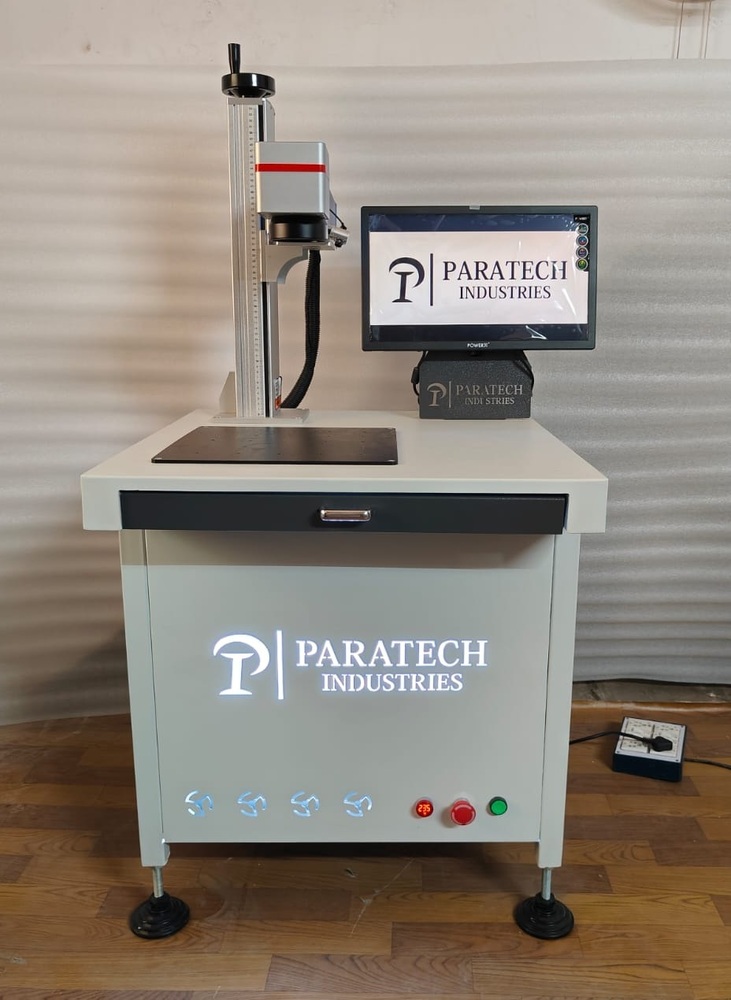
Tell us about your requirement

Price:
Quantity
Select Unit
- 50
- 100
- 200
- 250
- 500
- 1000+
Additional detail
Mobile number
Email

More Products in Fiber Laser Marking Machine Category
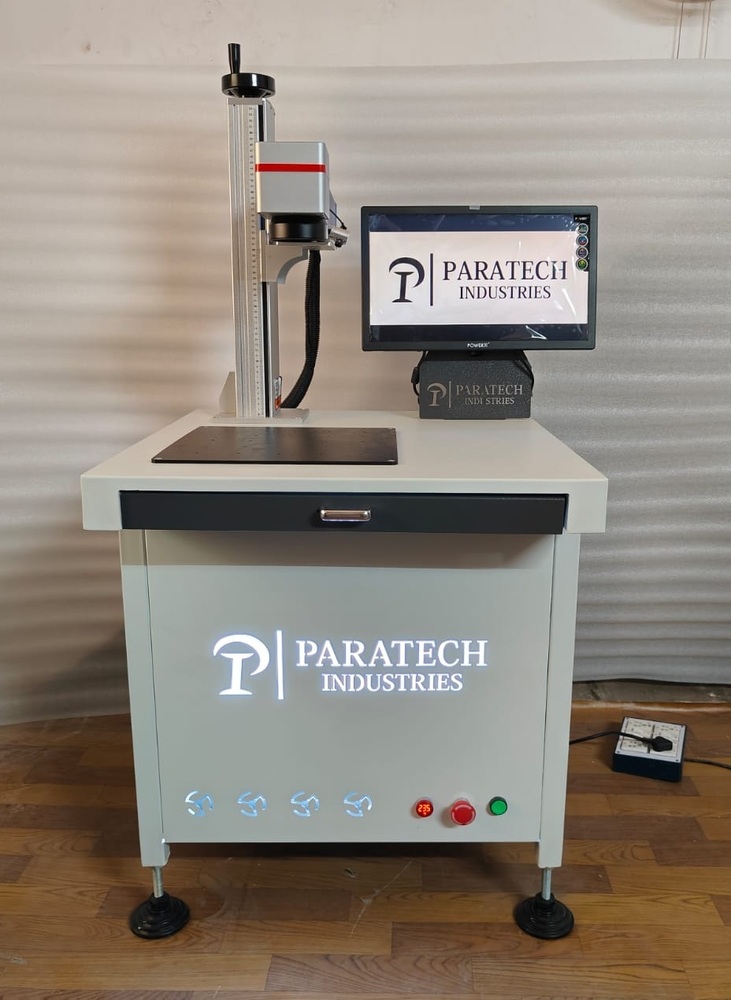
Laser Fiber Marking Machine For 360' Model
Price 150000 INR / Set
Minimum Order Quantity : 12 Sets
Laser Type : Fiber Laser
Condition : New
Warranty : 1 Year
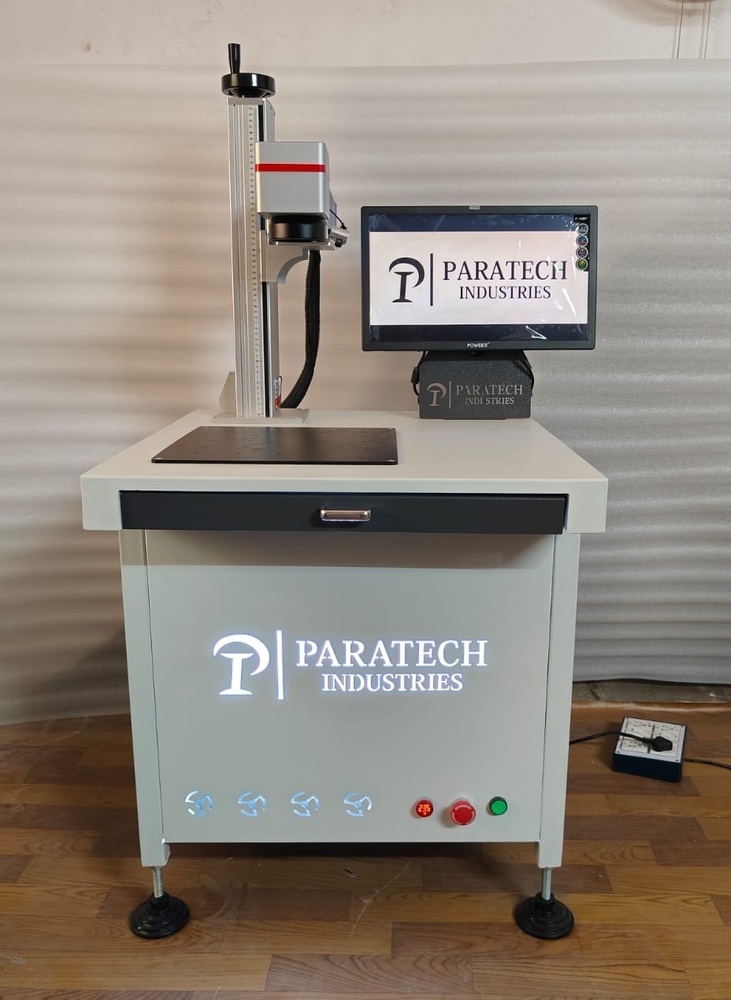
fiber laser marker machine
Price 11099.0 / Set
Minimum Order Quantity : 1 Set
Laser Type : Fiber Laser
Condition : New
Power : 20W / 30W / 50W (optional)
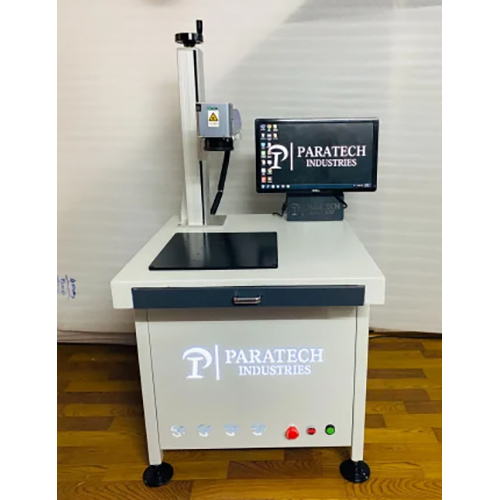
Glass Laser Marking Machine
Price 135000 INR / Unit
Minimum Order Quantity : 1 Unit
Laser Type : Fiber Laser
Condition : New
Power : 20/30/50 Watt (w)
Warranty : Available
New Best Metal Laser Marking Machine
Minimum Order Quantity : 1 Set
Laser Type : Fiber Laser
Condition : New
Power : 20W / 30W / 50W

 Send Inquiry
Our Products
- Laser Engraving Machine
- Jewellery Laser Soldering Machine
- Fiber Laser Rotary
- Hot Stamping Machine
- Galvo Head Scanner With Red Beam
- Laser Lense
- Jewellery Laser Welding Machine
- Laser Printing Machine
- Fiber Laser Marking Machine
- Laser Marking Machine
- Utensils Laser Marking Machine
- Hardware Laser Marking Machine
- CO2 LASER MARKING AND ENGRAVING MACHINE
- Laser Cutting Machine
- 3D Laser Engraving Cutting Machine
- GOLD AND SILVER LASER CUTTING MACHINE


Plot No 6, Soma Kanji Ni Wadi, Near Savera Complex, Khatodara Gidc, Surat - 395002, Gujarat, India

Mr GAURAV DESAI
(Proprietor)
Mobile :08045477720
 Send Inquiry
 Call Me Free
Developed and Managed by Infocom Network Private Limited.


 English
 Spanish
 French
 German
 Italian
 Chinese (Simplified)
 Japanese
 Korean
 Arabic
 Portuguese